
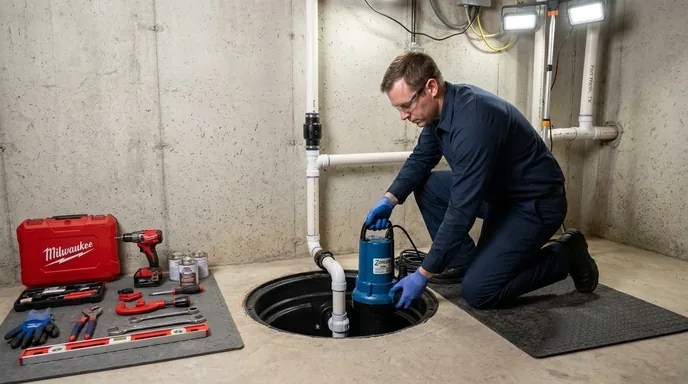
A sump pump making strange noises often indicates underlying issues that need attention. Common sounds like grinding, rattling, or gurgling can signal problems that, if left unchecked, may lead to costly repairs.
This article explores the common reasons for sump pump noise in Fort Worth, how to troubleshoot these issues, and when to call a professional for help.
What Causes Sump Pump Strange Noises?
Sump pump strange noises in Fort Worth can arise from various causes. Understanding these can help you identify the problem quickly.
Mechanical Issues
Mechanical problems often lead to noise. If your sump pump's motor is failing, it may produce a buzzing or grinding sound. This could mean the motor is overworked or nearing the end of its life.
Debris in the Pump
Another common cause is debris clogging the impeller. Small rocks, dirt, or other materials can get lodged in the pump, causing it to rattle or make a grinding noise. Regular maintenance can prevent this issue.
Improper Installation
If your sump pump is not installed correctly, it might vibrate excessively, leading to noise. This is particularly common in older homes in Fort Worth, where the foundation may shift over time.
Common Sump Pump Issues in Fort Worth
Many homeowners face sump pump issues in Fort Worth, especially during heavy rain seasons. Here are some prevalent problems:
- Power Failure: A power outage can prevent your sump pump from operating, leading to water accumulation and potential flooding.
- Float Switch Malfunction: If the float switch is stuck or broken, it may not activate the pump when needed, resulting in noise when the pump runs dry.
- Old Age: Sump pumps typically last 5-10 years. If your unit is older, it may begin to show signs of wear and tear, including noise.
How to Troubleshoot a Noisy Sump Pump
When dealing with a noisy sump pump, you can take several troubleshooting steps to identify the problem.
Inspect for Debris
Start by checking for any debris in the sump pit. Remove any visible obstructions that could be causing the noise.
Check the Power Supply
Ensure that the sump pump is receiving power. A tripped breaker or faulty outlet can lead to operational issues, including noise.
Evaluate the Float Switch
Test the float switch. If it's stuck, gently free it to see if that resolves the noise issue. If it's broken, consider replacing it.
Consult the Manual
Refer to the sump pump's manual for specific troubleshooting advice. Each model may have unique features that affect its operation.
When to Call a Professional
If you cannot resolve the noise issue through basic troubleshooting, it's time to call a professional. Fort Worth Drain Cleaning Experts offers expert Sump Pump Installation and Repair Fort Worth TX services that can help diagnose and fix your sump pump problems effectively.
Frequently Asked Questions
Why is my sump pump making strange noises in Fort Worth?
Your sump pump may be noisy due to mechanical issues, debris, improper installation, or age. Identifying the specific sound can help determine the cause.
What should I do if my sump pump is noisy in Fort Worth?
Inspect for debris, check the power supply, and evaluate the float switch. If these steps don't help, consider contacting a professional.
Are there solutions for sump pump noise problems in Fort Worth?
Yes, solutions include cleaning the pump, checking the installation, and replacing worn parts. Regular maintenance can also prevent noise issues.
How often should I service my sump pump?
It's recommended to service your sump pump at least once a year. This can help identify issues early and ensure proper functioning during heavy rains.
What are the signs that my sump pump needs replacement?
Signs include unusual noises, frequent cycling, and an age of over 10 years. If your unit is showing these signs, consider a replacement.